
Nonstop from New York, then the Rift Valley. Nature Point Africa arranges tailor-made Big Five safaris across the Masai Mara, Serengeti and Ngorongoro Crater — built and run by the Nairobi company itself, with no US reseller in the middle. Every itinerary is quoted individually in US dollars.
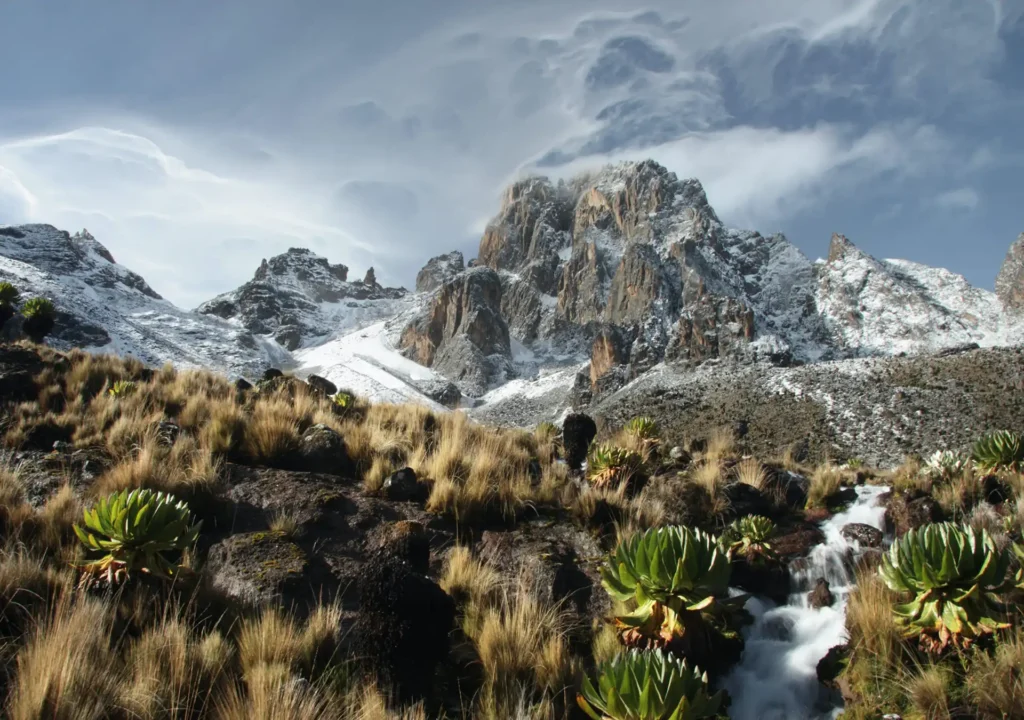
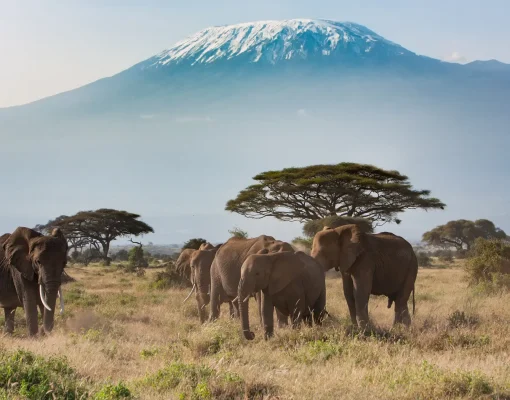
Mount Kenya National Park
Kenya is more reachable from the United States than most travelers expect. Kenya Airways flies nonstop from New York (JFK) to Nairobi, and convenient one-stop connections run from across the US via Europe (Amsterdam, London, Paris) or the Gulf (Doha, Dubai, Istanbul), with total travel time around 15–20 hours.
Entry is simple: US citizens apply online for Kenya’s electronic travel authorization (eTA) before departure. Every itinerary is quoted individually in US dollars, and as a Nairobi owner-operator we run your trip on the ground — no US reseller in the middle.
Nairobi is eight hours ahead of New York and eleven ahead of the West Coast, so a message sent in your evening is usually answered overnight.
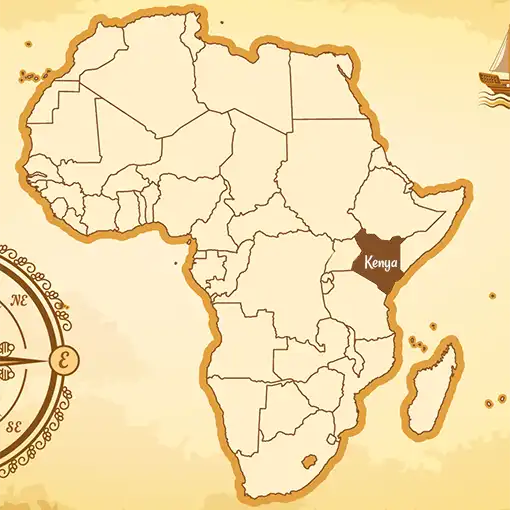
Kenya is a premier destination for safari enthusiasts, offering iconic parks like the Maasai Mara, Amboseli, and Tsavo. Witness the majestic Great Migration, the Big Five, and breathtaking landscapes.
With over 40 ethnic groups, Kenya's cultural diversity is profound. Engage with the Maasai, Samburu, and Kikuyu communities to understand their traditions, from beadwork to pastoralist lifestyles.
Explore the stunning vistas of the Great Rift Valley, home to lakes Nakuru and Naivasha, and marvel at the flamingo flocks and rhino sanctuaries, offering a blend of geological beauty and wildlife.
The Kenyan coast, including the Watamu Marine National Park, offers exceptional snorkeling and diving experiences, showcasing vibrant coral reefs, sea turtles, and a plethora of marine life.
Kenya is a birdwatcher's paradise, with over 1,000 species. The Rift Valley lakes, coastal areas, and national parks are prime spots for sighting flamingos, eagles, and the rare shoebill stork.
Participate in the Lamu Cultural Festival or the Mombasa Carnival to experience Kenya's coastal culture, featuring dhow races, traditional dances, and Swahili poetry, celebrating the rich heritage.
Discover unique African crafts, textiles, and jewelry at Nairobi's Maasai Market or the Kitengela Hot Glass studio, where local artisans showcase their creativity and skills.
Engage with conservation projects like the David Sheldrick Wildlife Trust in Nairobi or the Giraffe Centre, where you can learn about and contribute to the preservation of endangered species and their habitats.
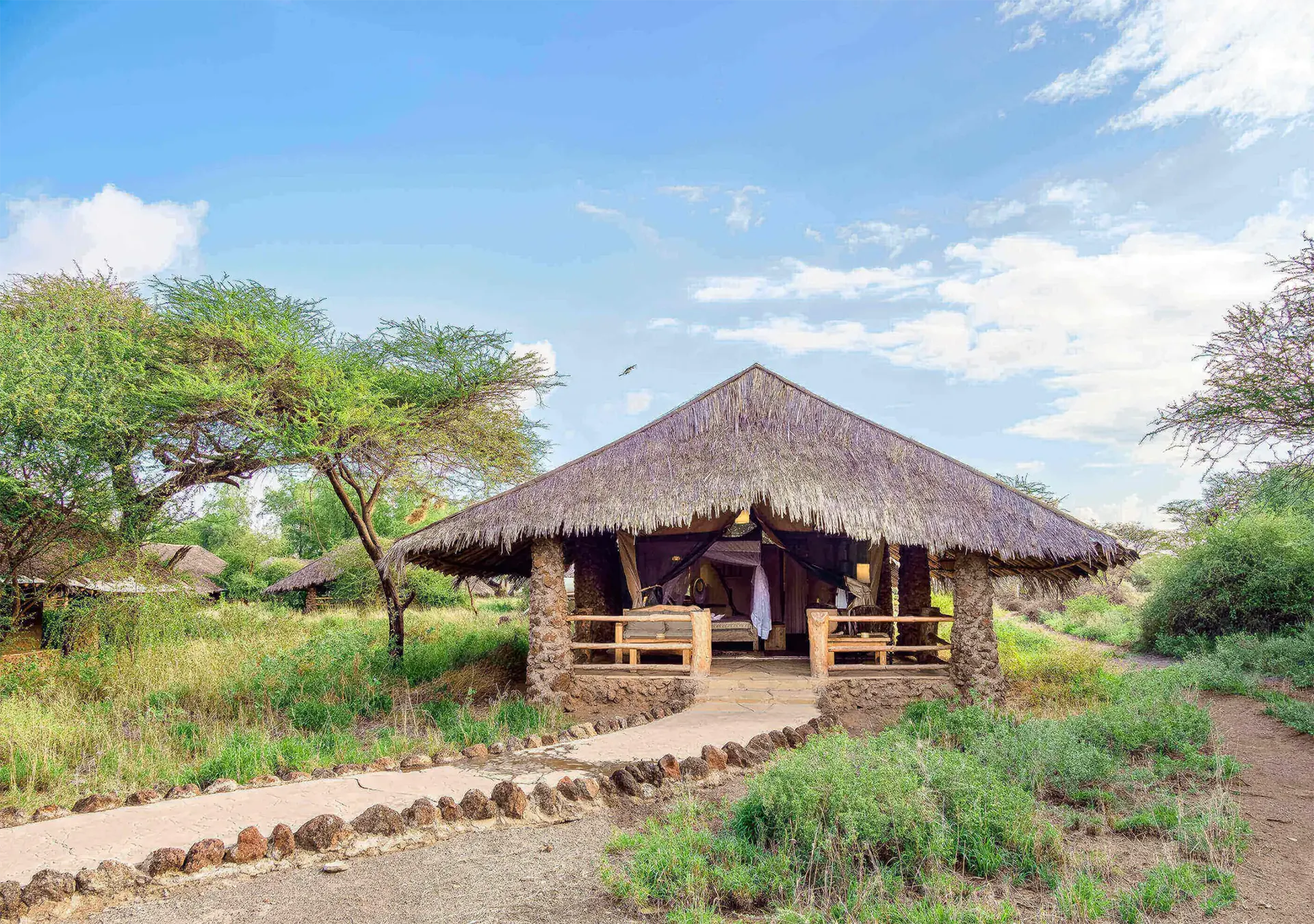
Safari Game Drives, Bird Watching, Balloon Safaris, Bush Sundowners, Cultural Interactions
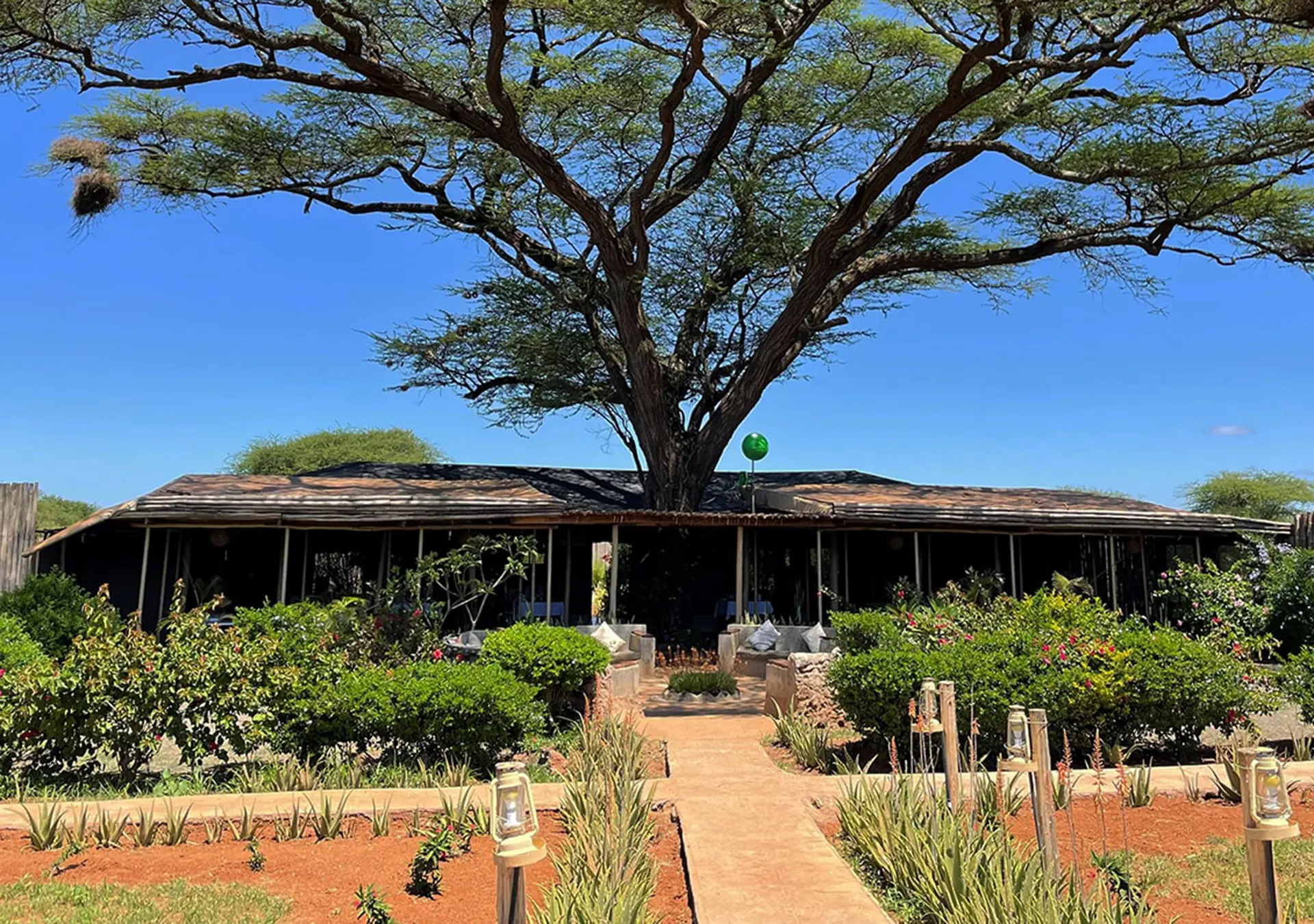
Cultural tours, Balloon Safaris, Game drives (Day & Night), Bush walks, Bush breakfast, Sundowner, Private dinner
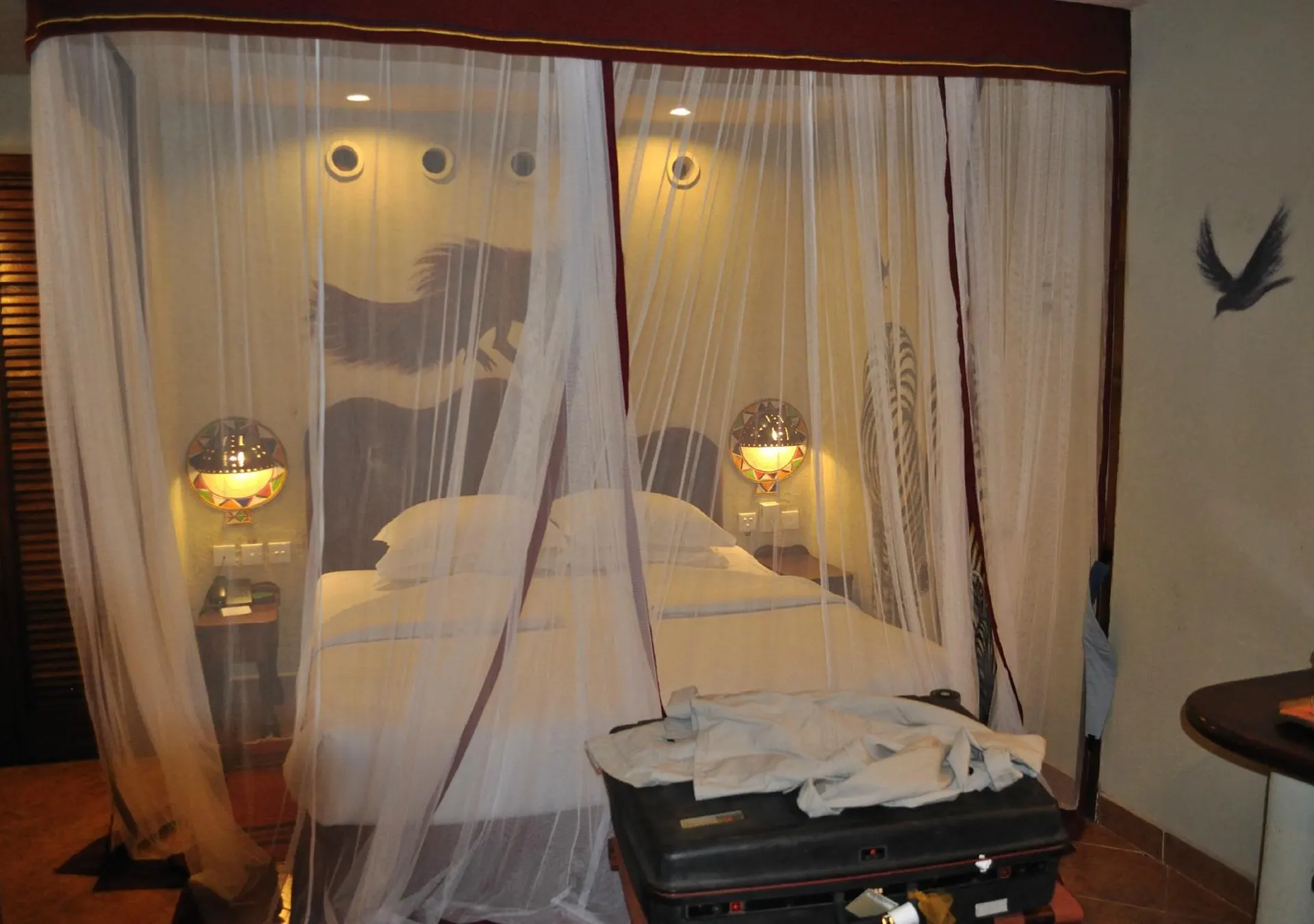
Bubbly sundowner at Observation Hill, Bush BBQ Dinner, Game drives, Nature walk, Birding Safaris, Cultural talk, Wildlife Movies, Tree Planting.
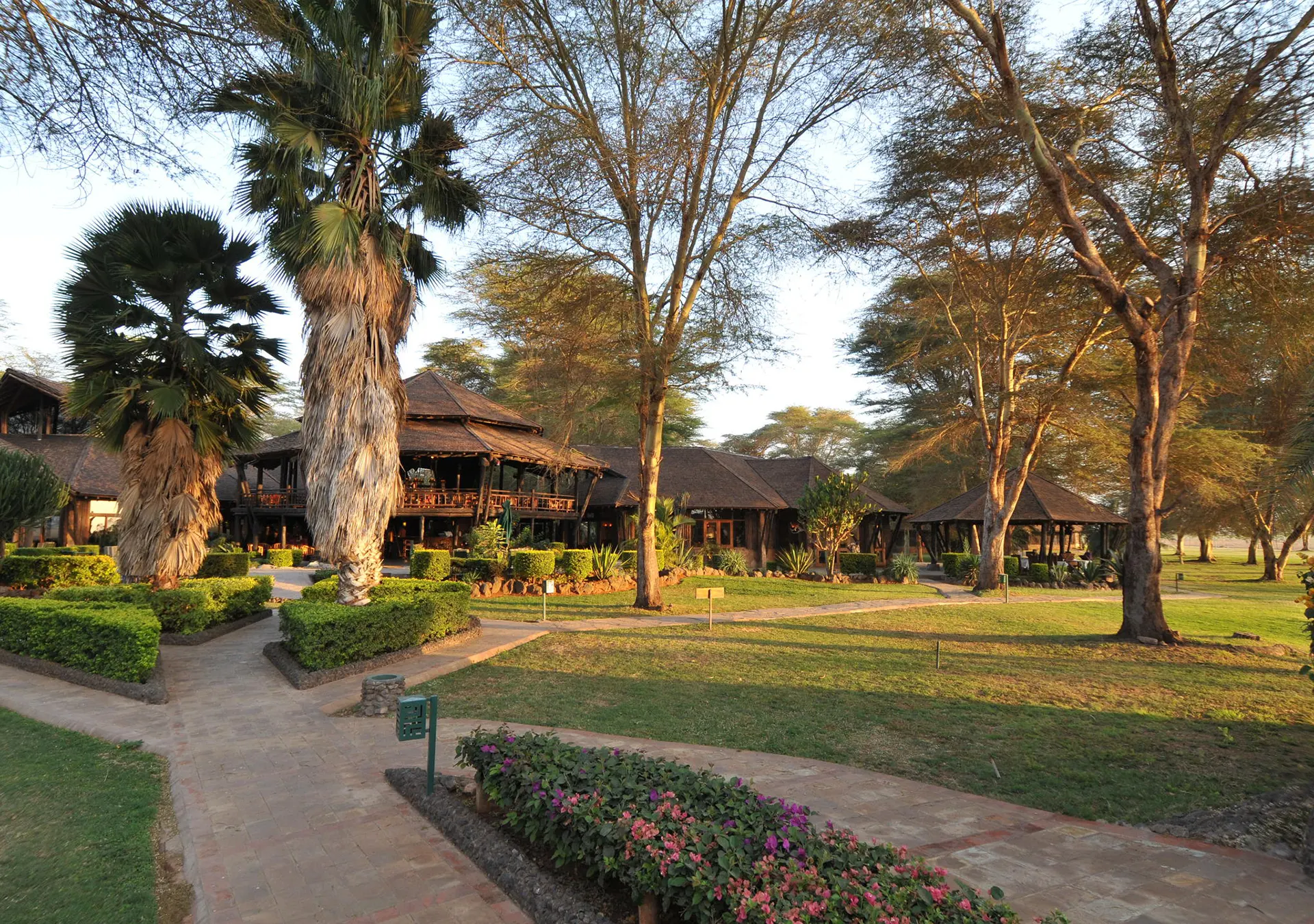
Spa, Game drives, Maasai village visit, Bird Walk, Swimming, Tree planting, Table tennis, Kids club.
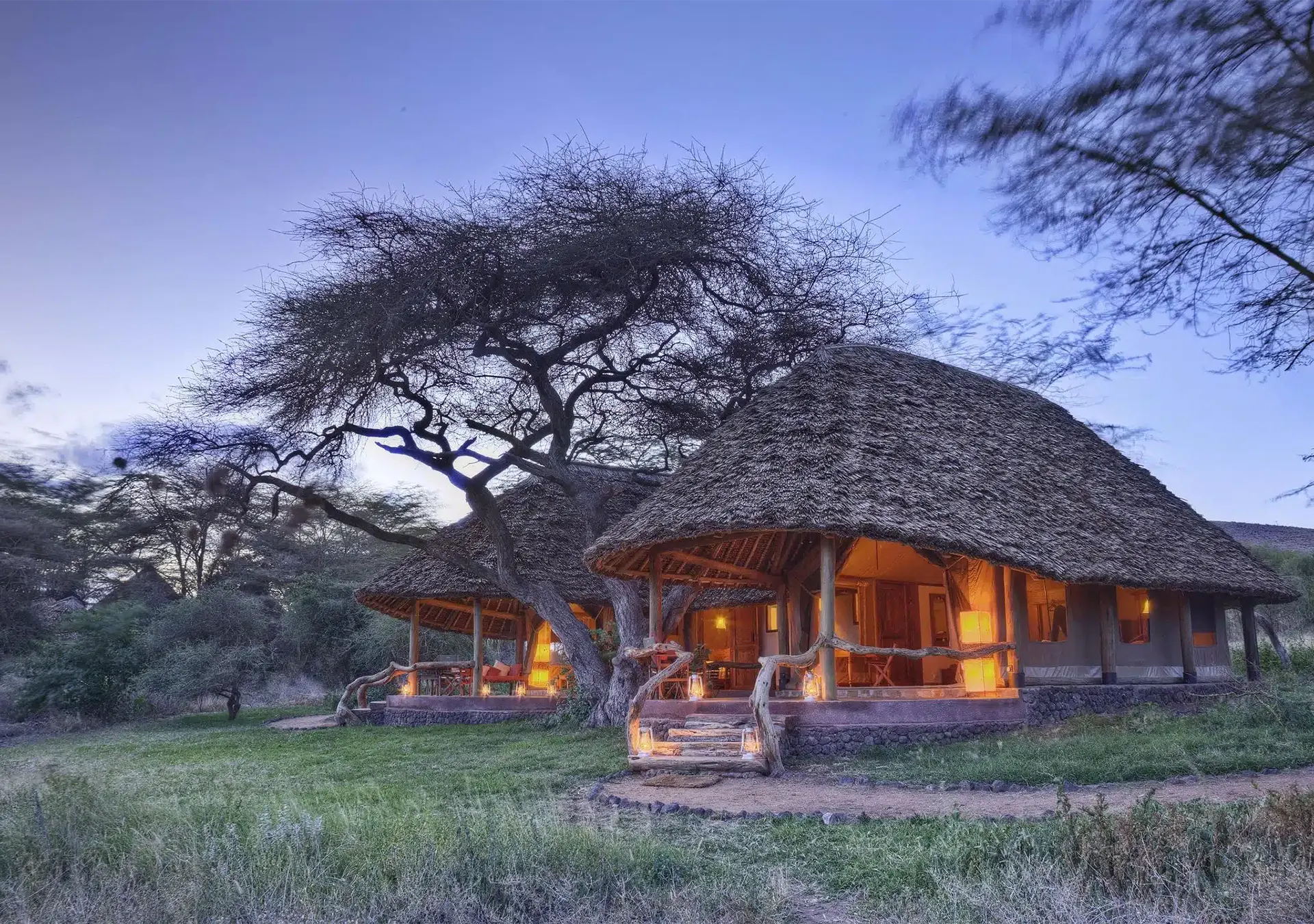
Game drives, Guide walks, Swimming, Bush breakfast and Sundowners, Massages, Cultural visits, Wedding and honeymoon
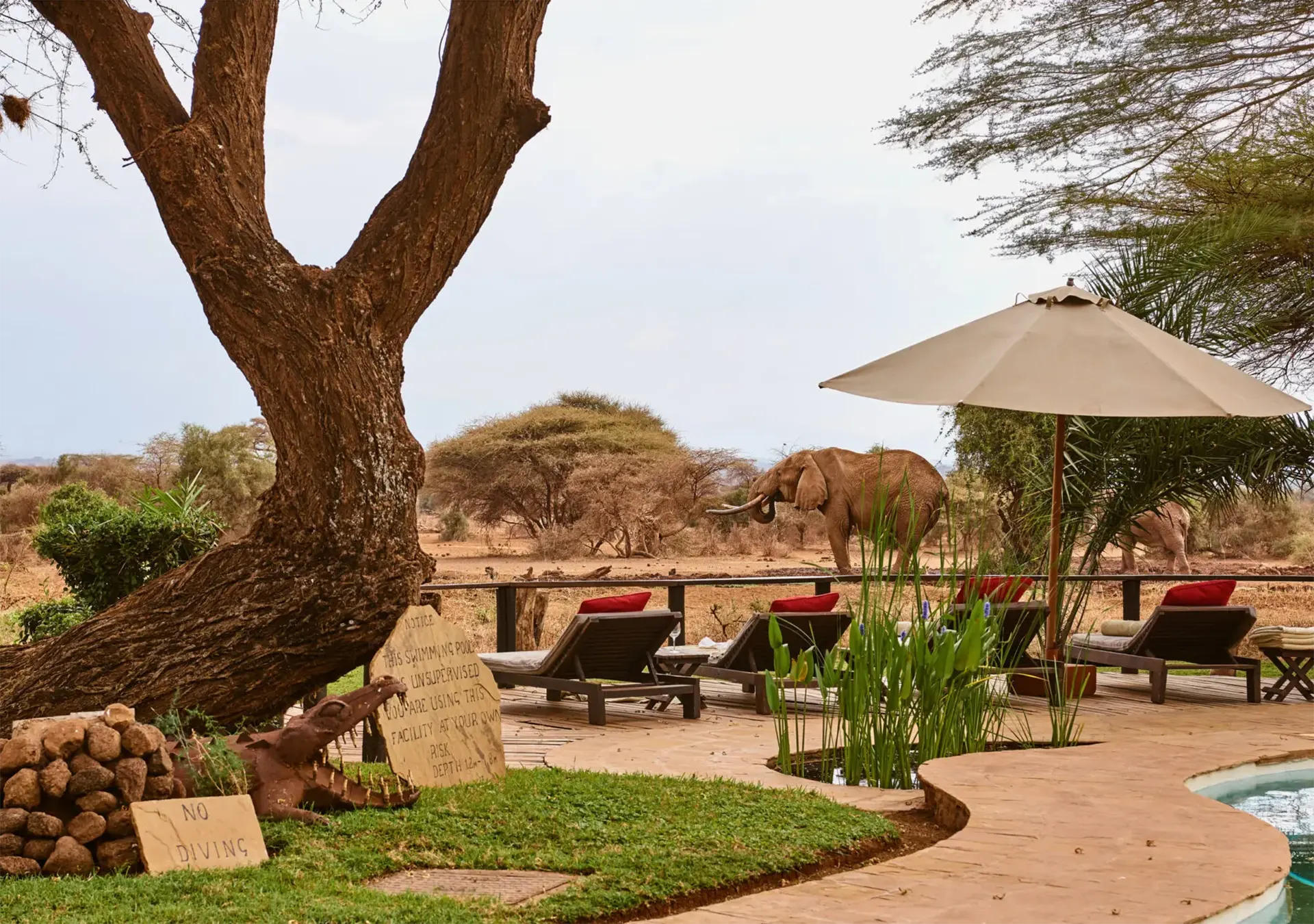
Game drives, Cultural visit, Bush Walk, Bush Meals, Sundowners, Calmel Walks, Hot air balloon safari.
June to October and January and February
June to October and December to March
Send us your dates and your party and a Nairobi-based specialist will write back with a tailored, no-obligation itinerary and a quote in US dollars, normally within one working day.
Call or WhatsApp: +254 769 406 388
Email: info@naturepointafrica.com
Nairobi is eight hours ahead of New York and eleven ahead of the West Coast, so a message sent in your evening is usually answered overnight.
Peak dry season, and the Mara River crossings typically begin in July. Lodges in the Mara and northern Serengeti sell out earliest for these dates — nine to twelve months ahead is normal.
The short green season. Landscapes turn, birding is at its best, and lodge availability is far easier than in summer. Late December through February also brings the southern Serengeti calving season, which is the strongest predator viewing of the year.
The quietest of the American windows. Late March into April is the long rains, so we usually steer spring-break travellers toward the crater and the conservancies rather than the open plains.
If your dates are flexible, these are the value months — strong game viewing, better lodge availability, fewer vehicles at a sighting.
Booking a safari with a company on another continent is a fair thing to hesitate over, so here is exactly how it works in practice.
Nairobi is UTC+3 year-round — about seven hours ahead of New York in summer and eight in winter, and ten to eleven hours ahead of the West Coast. Kenya does not observe daylight saving, so the gap shifts when the US clocks change, not when ours do. A message sent at the end of your working day is normally answered before you wake up.
Everything starts by email or WhatsApp with a written itinerary and a written quote, so there is a paper trail you can read at your own pace. If you would rather talk it through, we schedule a call at a US-friendly hour rather than expecting you to dial Nairobi office hours.
Nothing on this page is a group tour you join. Every American booking is a private 4×4, a private driver-guide and an itinerary written for the party travelling it, which is why we ask for your dates before quoting rather than after. The route this page is built around is the 10-day Kenya and Tanzania adventure, running Nairobi, Lake Nakuru, the Masai Mara, the Serengeti, the Ngorongoro Crater and Amboseli — and we move nights around inside it rather than selling it as a fixed block.
That flexibility is the practical reason to buy from the operator rather than a reseller: reshaping a trip costs us a call to a camp manager we know, not a renegotiation with a supplier eight time zones away. If you would rather start from something concrete and adjust it, the finished itineraries are in our Kenya safari collection.
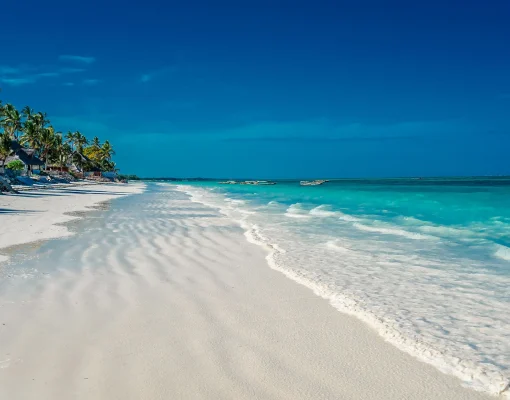
Ten days of game drives is a lot of early mornings. A beach leg is what turns the trip from an expedition into a holiday. The 14-day Kenya, Tanzania and Zanzibar getaway is the standard shape: the full cross-border wildlife route first, then a short internal flight to Zanzibar for four nights of doing very little.
Because Zanzibar is part of Tanzania, the entry permission you already needed for the Serengeti normally covers the island as well — Tanzania’s immigration portal states that a traveller visiting the mainland and Zanzibar “will be allowed to visit both places without a need for a new Visa”. The beach leg does add one document, though: Zanzibar requires every arriving visitor to hold travel insurance bought from the Zanzibar Insurance Corporation, the only permitted seller, and the FCDO warns that you may be refused entry if you do not have the correct insurance. Confirm current requirements on the official Tanzanian portal, as always. Diani, on the Kenyan coast, is the alternative when you would rather not fly again at all.
A honeymoon changes which properties we choose far more than it changes the route. Private plunge pools, dinner set up away from the main deck, a vehicle that is genuinely yours rather than shared with strangers, and a coast finish so the last few days are horizontal. The 11-day Kenya safari and Zanzibar honeymoon combo is built around precisely that sequence.
We do not announce couples to the dining room and there is no rose-petal package on the invoice. If the trip carries a milestone — an anniversary, a proposal, a surprise you would rather your partner did not read about in a confirmation email — say so in the enquiry and it gets planned quietly.
The two questions worth asking about a family safari are how long the drives between camps are, and whether the lodge has rooms that genuinely sleep four. Both are decided by which properties we pick, not by the itinerary headline. The 8-day classic family safari runs Ol Pejeta, Samburu, Lake Naivasha and then the Mara, with a boat ride on Lake Naivasha in the middle of the week to break up the game drives.
Tour routes are re-sequenced from time to time, so treat the route above as the shape of the trip rather than a fixed schedule — the current day-by-day is always the one on the tour page itself.
Summer break is the obvious window and sells out first. Thanksgiving and the winter holidays are considerably easier to book and coincide with calving in the southern Serengeti, which is the strongest predator viewing of the year. Our month-by-month guide to visiting Kenya sets out what the wildlife is doing in each.
For travellers crossing the Atlantic, the best value usually comes from combining genuinely different landscapes rather than adding more one-night stops. Use these views to decide whether your priority is migration country, varied Kenya wildlife or a slower safari-and-beach finish.
Compare realistic 7, 10, 12 and 14-day routes before choosing parks and lodges. The guide explains transfer days, family pacing, migration planning and when a two-country itinerary becomes too rushed.

Safari planning by departure country
Choose guidance written for your departure market, including realistic flight routing, seasonal timing, school-holiday considerations and the questions to settle before requesting a tailored itinerary.
Where would you like to go?
Pick one or more — we build across borders.
What are you most excited about?
Choose any that apply.
Please choose at least one destination.
Tell us about the trip
Rough answers are fine — we'll refine together.
Excluding international flights
Where should we send your plan?
A real safari specialist replies within 24 hours.
Choose how you'd like to send it:
Please add your name and a phone or email.
Thank you — we've saved your trip and a specialist will be in touch shortly.
Top Destinations